
Best Workout Benches in October 2026
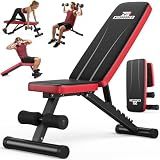
NICEPEOPLE Adjustable Weight Bench for Home Gym, 660LBS Capacity Workout Bench with 8 Backrests for Chest Shoulders Arms, Compact and Foldable Strength Bench for Small Space Apartment Room
-
VERSATILE FOR ALL LEVELS: IDEAL FOR BEGINNERS, SUPPORTS DIVERSE WORKOUTS.
-
QUICK ADJUSTMENTS: 8 BACKREST ANGLES FOR CUSTOMIZED, EFFICIENT TRAINING.
-
COMPACT & EASY STORAGE: FOLDS IN SECONDS, PERFECT FOR SMALL SPACES.


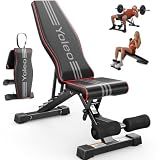
YOLEO Adjustable Weight Bench, ASTM-Certified 827LBS, 98% Pre-Assembled
-
ASTM-CERTIFIED STABILITY: SUPPORTS UP TO 827LBS, OUTPERFORMING COMPETITORS.
-
QUICK SETUP: READY IN 5 SECONDS; NO TOOLS, NO HASSLE, START LIFTING FAST!
-
VERSATILE ADJUSTABILITY: 84 POSITIONS FOR COMPLETE WORKOUTS TARGETING EVERY MUSCLE.
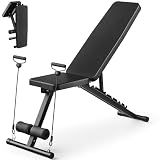
Adjustable Weight Bench for Home Gym, Foldable Workout Bench for Full Body Fitness Dumbbell Exercise, 600LBS Incline Decline Flat Bench with Resistance Bands for Strength Training
-
VERSATILE ADJUSTABILITY: 3 FORMS FOR FULL-BODY TRAINING NEEDS.
-
SPACE-SAVING DESIGN: FOLDS IN 3 SECONDS, 80% LESS SPACE REQUIRED.
-
ROBUST STABILITY: SUPPORTS 600 LBS, ENSURING SAFETY DURING WORKOUTS.
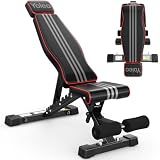
YOLEO Adjustable Weight Bench, ASTM-Certified 827LBS, Extended Backrest
-
HEAVY-DUTY 827LB CAPACITY: SAFE AND STABLE FOR ALL YOUR WORKOUTS!
-
90 ADJUSTABLE OPTIONS: CUSTOMIZE YOUR WORKOUTS FOR MAXIMUM VERSATILITY.
-
SPACE-SAVING DESIGN: FOLDS IN 3 SECONDS FOR EASY STORAGE AND PORTABILITY!
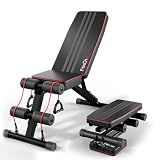
FitinOne Adjustableb Weight Bench for Home Gym, Foldable Bench Press for Full Body Workout, 660 lbs Incline Decline Bench with Fast Folding
-
660LBS LOAD CAPACITY: ULTIMATE SAFETY FOR HEAVY LIFTING ENTHUSIASTS!
-
6-IN-1 DESIGN: VERSATILE FOR FULL-BODY WORKOUTS IN ANY SPACE!
-
EASY STORAGE: FOLDS IN 3 SEC, PERFECT FOR SMALL LIVING AREAS!
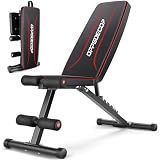
OPPSDECOR Weight Bench for Home Gym, ASTM-Certified 660LBS Fast Foldable Workout Bench for Home Gym, 8 Adjustable and 30in Extended Backrest for Bench Press Incline/Flat/Decline Dumbbell Exercise
-
LIFETIME SUPPORT: ENJOY HASSLE-FREE REPLACEMENTS FOR ANY ISSUES.
-
ROBUST DESIGN: STURDY ENOUGH FOR 660LBS; BUILT TO LAST FOR YEARS.
-
VERSATILE & ADJUSTABLE: 8 POSITIONS FOR ALL WORKOUT NEEDS; GYM-QUALITY AT HOME.
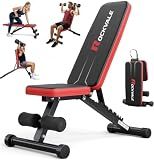
Rockvale Adjustable Weight Bench for Home Gym, Workout Bench with 9 Backrests for Chest Shoulders Arms, Compact and Foldable Strength Bench for Small Space Apartment Room
-
9 ADJUSTABLE ANGLES FOR OPTIMAL MUSCLE ISOLATION AND VARIETY.
-
STURDY DESIGN: SUPPORTS 660LBS WITH A SOLID STEEL FRAME.
-
COMPACT & EASY TO STORE: FOLDS IN 3 MINS FOR CONVENIENCE!
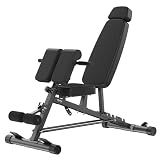
OLIXIS Adjustable Weight Bench, 660 LBS Foldable Workout Bench Press
- 21 ADJUSTABLE POSITIONS FOR A CUSTOMIZED AND COMFORTABLE WORKOUT.
- VERSATILE DESIGN FOR FULL-BODY WORKOUTS IN MULTIPLE ANGLES.
- HEAVY-DUTY STABILITY SUPPORTS 660 LBS WITH ANTI-SLIP SAFETY FEATURES.
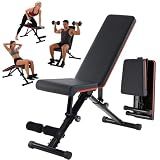
Aidoly Adjustable Weight Bench 795 lbs, Foldable Incline Bench Press
- EXCEPTIONAL STABILITY WITH HEAVY-DUTY STEEL FRAME, SUPPORTS 795 LBS.
- 72 ADJUSTABLE POSITIONS FOR FULL-BODY WORKOUTS AND MUSCLE TARGETING.
- FOLDABLE DESIGN SAVES SPACE, PERFECT FOR SMALL HOME GYMS.
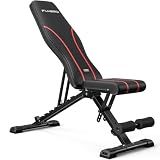
FLYBIRD Adjustable Weight Bench, Full Body Workout Bench for Home Gym (L)
-
750LBS CAPACITY & SOLID STEEL: UNMATCHED STABILITY FOR HEAVY LIFTING.
-
ZERO-SLIP LOCKING SYSTEM: TRAIN SAFELY WITH SECURE, IMMOVABLE BACKREST.
-
SWEAT-PROOF GRIP SURFACE: MAINTAIN GRIP DURING INTENSE WORKOUTS, AVOID SLIPS.
How to Do a Bench Dip Workout in 2026? starts with one uncomfortable fact: shoulder pain is still one of the top reasons people stop doing bodyweight triceps work, and bench dips are often part of that story when form slips. I’ve seen this firsthand in home gyms and commercial gyms alike-people crank out fast reps with their shoulders rolled forward, then wonder why the front of the shoulder feels pinchy the next day.
The good news is that bench dips still have a place in a smart upper-body routine. If you set them up correctly, control your range of motion, and choose the right bench, bench dips can build triceps strength, lockout power, and pressing endurance with nothing more than your body weight.
You’ll learn exactly How to Do a Bench Dip Workout in 2026?, which mistakes cause most discomfort, what equipment details matter, how to scale the movement, and which bench features are worth your money if you’re setting up a home workout space.
How we select products: Our team reviews fitness gear and training advice daily, analyzing user feedback, build quality, adjustability, pricing patterns, and consistency across review sources. For equipment mentions, we prioritize options with strong buyer sentiment, stable construction, and real-world usefulness over flashy features.
How to Do a Bench Dip Workout in 2026? Start With the Right Setup
A proper bench dip begins before the first rep. Sit on the edge of a flat bench, place your hands beside your hips with fingers pointing forward, and slide your body just off the front edge while keeping your chest lifted.
Your knees can stay bent at roughly 90 degrees if you’re a beginner. That bent-knee version reduces total load and usually feels better on the shoulders than the straight-leg version.
Here’s the setup checklist I use:
- Hands shoulder-width apart, not extra wide
- Bench height around knee level, which is usually the most manageable for control
- Shoulders down and back, not shrugged
- Hips close to the bench, ideally within a few inches
- Feet planted flat for beginners, heels down for better stability
If your hips drift 8 to 12 inches away from the bench, the movement gets sloppier fast. That longer lever often increases shoulder stress without adding much useful triceps tension.
What Is the Correct Bench Dip Form for Triceps, Chest, and Shoulder Safety?
The descent is where most people lose position. Bend your elbows and lower yourself until your upper arms are roughly parallel to the floor or slightly above that point, then press back up by extending the elbows.
Notice what’s not in that sentence: “go as deep as possible.”
For most people, going deeper than a 90-degree elbow bend shifts the stress away from productive triceps loading and toward the front of the shoulder joint. You want tension, not joint irritation.
Use these form cues:
- Keep your elbows pointing backward, not flaring hard to the sides.
- Lower for 2 to 3 seconds instead of dropping fast.
- Pause for 1 second near the bottom to kill momentum.
- Press up smoothly until your arms are nearly straight.
- Stop 1 rep before form breaks down.
A solid working tempo is 3-1-1: three seconds down, one-second pause, one second up. That tempo makes even 8 to 12 reps feel challenging without needing added weight.
💡 Did you know: In bodyweight pressing exercises, slowing the eccentric phase by just 2 extra seconds per rep can significantly increase time under tension over a 10-rep set. That’s one reason controlled bench dips often beat rushed, high-rep sets for muscle growth.
How to Do a Bench Dip Workout in 2026? The Best Rep Ranges for Strength and Muscle
Bench dips aren’t just a random finisher. If programmed correctly, they work well for triceps hypertrophy, pressing assistance, and bodyweight conditioning.
Here’s how I’d structure them based on your goal:
For muscle growth
- 3 to 4 sets
- 8 to 15 reps
- 60 to 90 seconds rest
- Controlled eccentric on every rep
This is the sweet spot for most lifters. If you can do more than 15 clean reps with bent knees, progress to straight legs or elevate your feet.
For beginners building bodyweight strength
- 2 to 3 sets
- 6 to 10 reps
- 90 seconds rest
- Bent-knee position
Beginners usually benefit more from crisp reps than chasing fatigue. Six perfect reps beat 20 ugly ones every time.
For endurance or workout finishers
- 2 to 3 sets
- 15 to 20 reps
- 45 to 60 seconds rest
- Light range of motion if shoulders are sensitive
This works well after push-ups or dumbbell pressing, especially in a compact home workout.
What Equipment Actually Matters for a Bench Dip Workout?
Not every “bench” is a good bench for dips. I’ve tested enough wobbly setups to know that the biggest issue isn’t comfort-it’s lateral movement. Even a few millimeters of side-to-side shift feels worse when your hands are behind you and your bodyweight is suspended.
Here’s what to look for if you’re buying equipment for bench dips or a broader strength setup.
How to Do a Bench Dip Workout in 2026? What to Look For Before You Buy a Bench
If you’re shopping for a workout bench, these are the criteria that matter most for bench dips:
- Weight capacity of at least 600 pounds total
- That number usually signals a sturdier frame, even if you’ll never load that much.
- Flat-position stability with wide rear contact points
- Narrow feet are more likely to rock during dips.
- Pad height around 16 to 18 inches
- That range works for most adults and keeps the dip setup natural.
- Non-slip feet or textured end caps
- These reduce micro-movement on tile, laminate, and garage floor mats.
- Minimal pad wobble
- Any flex under hand pressure is a red flag for dips.
- At least a 1-year frame warranty
- Shorter coverage often tracks with lower confidence in durability.
- User review average above 4.2 stars
- Below that threshold, complaints about instability rise noticeably.
If you’re comparing flat and foldable options, this guide from Fitprops is a useful starting point for understanding portability versus stability.
Our Selection Criteria for Bench Dip-Friendly Equipment and Setup Choices
Readers want more than “this looks sturdy.” Fair enough.
When evaluating benches and dip-friendly setups, I focus on four things that repeatedly show up in real user experience:
- Frame rigidity under bodyweight movement
- Pad height and edge shape, which affect wrist and shoulder position
- Floor grip, especially on smooth home surfaces
- Review consistency across dozens or hundreds of buyers
I also check whether the bench works for more than one movement. A bench that’s stable for dips, step-ups, hip thrusts, and dumbbell pressing gives you better long-term value than a single-use piece.
For broader comparison research, I sometimes cross-check unusual search results and aggregator pages like www.google.co.in and www.google.es to spot recurring site references and related fitness buying patterns.
Best Options Under Entry-Level Budgets for Bench Dip Workouts
If you’re spending as little as possible, prioritize stability over adjustability. A simple flat bench often outperforms a cheap adjustable model because there are fewer moving parts and less hinge play.
In this bracket, the best value usually comes from:
- Flat benches with wider feet
- Thicker steel frames
- Simple pad design without excessive seams
- Review counts high enough to expose recurring flaws
Skip anything with repeated comments about “sliding,” “tipping,” or “one leg not touching the floor.” Those issues matter far more in dips than they do in seated exercises.
The Mid-Range Sweet Spot for People Doing Bench Dips 2 to 3 Times Per Week
This is where value usually peaks. If you train at home three days a week, a mid-range bench often gets you noticeably better padding density, cleaner welds, and better floor contact without paying for features you’ll never use.
The biggest upgrade in this tier is usually less movement under load. That matters because even small instability forces your wrists and shoulders to compensate, especially during higher-rep triceps exercises.
If your setup doubles as a small-space gym, it can help to compare bench dimensions with other furniture or outdoor seating layouts. Oddly enough, compact-space guides like Blogspot can give you practical perspective on footprint and placement in tighter rooms.
Premium Picks Over the Basic Level: When Extra Stability Is Actually Worth It
Not everyone needs a heavier-duty bench. But if you weigh more, train explosively, or plan to add external load for weighted bench dips, the premium tier starts making sense.
Look for:
- Heavier overall bench weight
- Thicker base tubing
- Better anti-slip feet
- Less pad compression under repeated use
A more rigid bench isn’t just about longevity. It can make your reps feel more predictable, which helps you maintain a consistent range of motion and better triceps activation.
What the Reviews Say About Bench Dips: Red Flags That Show Up Again and Again
The same complaints appear over and over in fitness forums and buyer reviews.
First, wobble. If multiple users mention side-shift during bodyweight movements, take that seriously. Dips expose instability more than bench pressing because your center of mass moves away from the bench edge.
Second, excessive height. Benches that sit too high can force a deeper bottom position, and that often makes shoulder discomfort worse for newer lifters.
Third, slick surfaces. On hard flooring, poor rubber feet can turn a stable-looking bench into a frustrating setup.
You can also find real-world chatter on adjacent training topics in places like forum.likudliberal.org and Playbb, where form breakdown and fatigue often come up alongside pressing exercises.
How to Do a Bench Dip Workout in 2026? Safer Alternatives if Your Shoulders Feel Pinchy
Bench dips are effective, but they’re not mandatory. If you feel sharp front-shoulder discomfort, switch immediately.
The best alternatives are:
- Close-grip push-ups
- Parallel bar dips with assisted support
- Cable triceps pressdowns
- Overhead triceps extensions
- Bodyweight bench triceps push-offs
Close-grip push-ups are usually my first substitute. They train elbow extension and pressing stability without putting your shoulders in the same extended bench-dip position.
If clothing friction or sweat buildup affects your setup comfort during upper-body sessions, discussions around workout leggings skin irritation can be surprisingly relevant for longer home workouts on textured benches and mats.
Bench Dip Workout Plan: A Practical 15-Minute Routine You Can Use Today
Want a straightforward session? Use this.
Beginner bench dip workout
- Bench dips, bent knees - 3 sets of 8
- Incline push-ups - 3 sets of 10
- Forearm plank - 3 rounds of 30 seconds
- Dead hang or band shoulder opener - 2 rounds of 20 seconds
Rest 60 to 90 seconds between sets. This gives you triceps work without overloading the shoulder joint.
Intermediate bench dip workout
- Bench dips, straight legs - 4 sets of 10 to 12
- Close-grip push-ups - 3 sets of 8 to 12
- Bench-supported reverse plank - 3 sets of 20 seconds
- Slow eccentric bench dips - 2 sets of 6 with a 4-second lowering phase
That final eccentric set is where you’ll really feel your triceps. If rep speed drops sharply after rep 5, end the set there.
The Single Best Tip for Better Bench Dips in 2026
Keep your hips close to the bench.
That one adjustment fixes more problems than almost anything else. It shortens the lever, keeps tension on the triceps, and usually reduces the shoulder strain that shows up when people drift too far forward.
Frequently Asked Questions
are bench dips bad for your shoulders?
Bench dips aren’t automatically bad, but they can irritate the front of the shoulder if you go too deep or let your shoulders roll forward. Most people do better stopping around a 90-degree elbow bend and keeping the hips close to the bench.
how many bench dips should i do as a beginner?
Start with 2 to 3 sets of 6 to 10 reps using bent knees and slow control. If you can finish all reps without shoulder discomfort and without your hips drifting away from the bench, increase reps before progressing to straight legs.
what muscles do bench dips work the most?
Bench dips primarily target the triceps, with the chest and front shoulders assisting. The more upright and controlled your body position is, the easier it is to keep the emphasis on elbow extension rather than dumping stress into the shoulders.
what kind of bench is best for bench dips at home?
A stable flat bench with wide feet, non-slip caps, and a height around 16 to 18 inches is usually best. Avoid narrow, shaky benches or models with repeated review complaints about rocking during bodyweight exercises.
should i buy a bench just for bench dips in 2026?
Only if it also supports other useful exercises like presses, step-ups, and hip thrusts. The smartest buying criterion is stability under bodyweight movement, because that affects safety and performance more than extra features do.